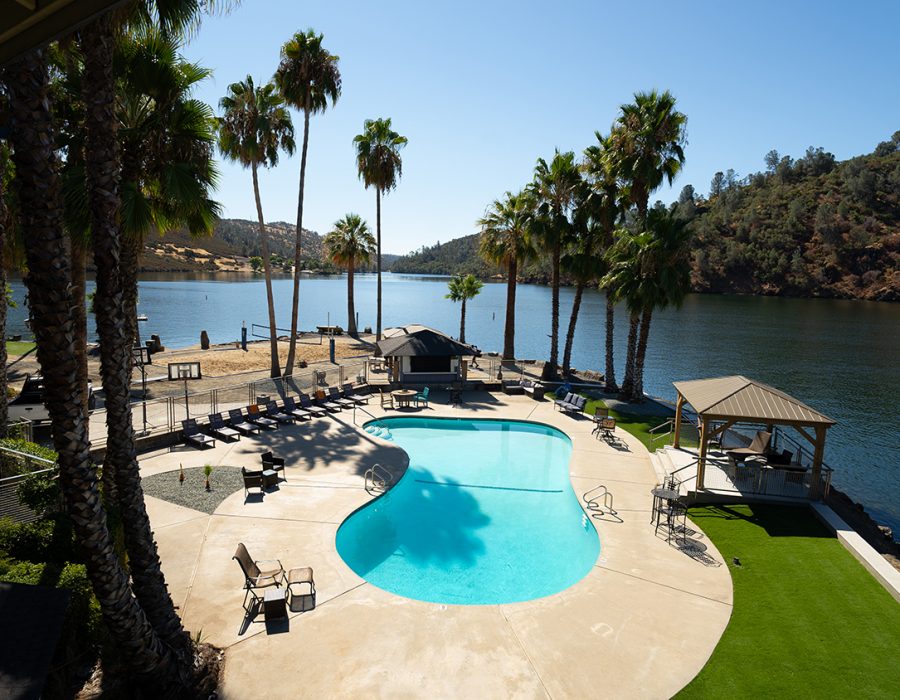
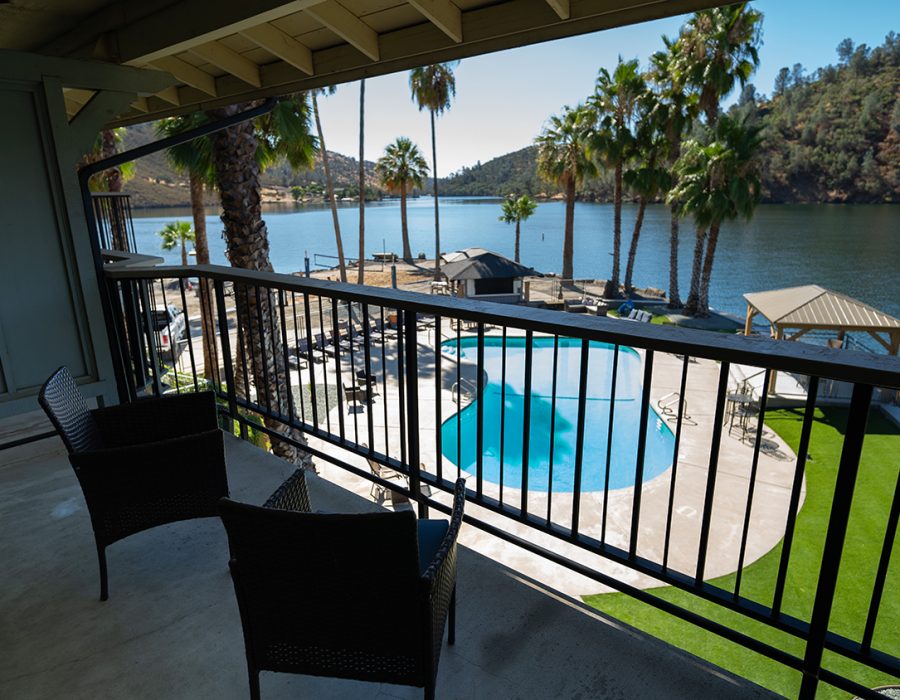
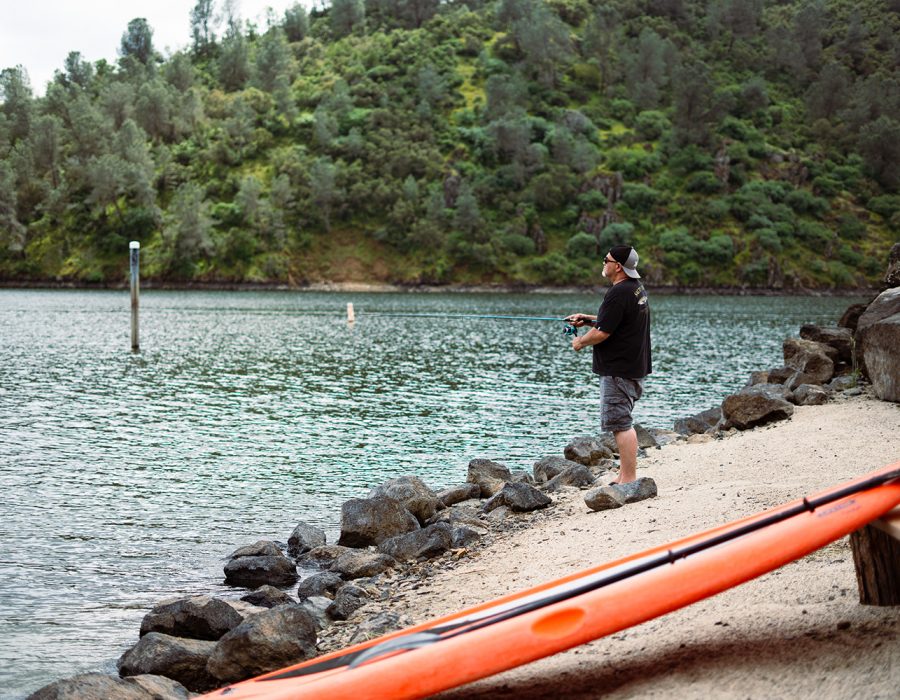
At The Lakes Treatment Center, our peaceful, rural location offers an ideal setting for individuals who have experienced multiple relapses during addiction treatment and recovery. Surrounded by nature, away from the triggers and temptations of big cities, our environment provides the tranquility and support necessary for healing. For many, simply being in nature can help stimulate recovery and foster a fresh perspective.
Seeking professional help is essential for those who have relapsed, as it allows for tailored care and new strategies to address the underlying causes of relapse. Our experienced team is here to provide the guidance, resources, and support needed to help you stay on the path to long-term recovery.
Don’t face recovery alone—contact The Lakes Treatment Center today to learn how we can help you overcome the challenges of relapse and achieve lasting success.






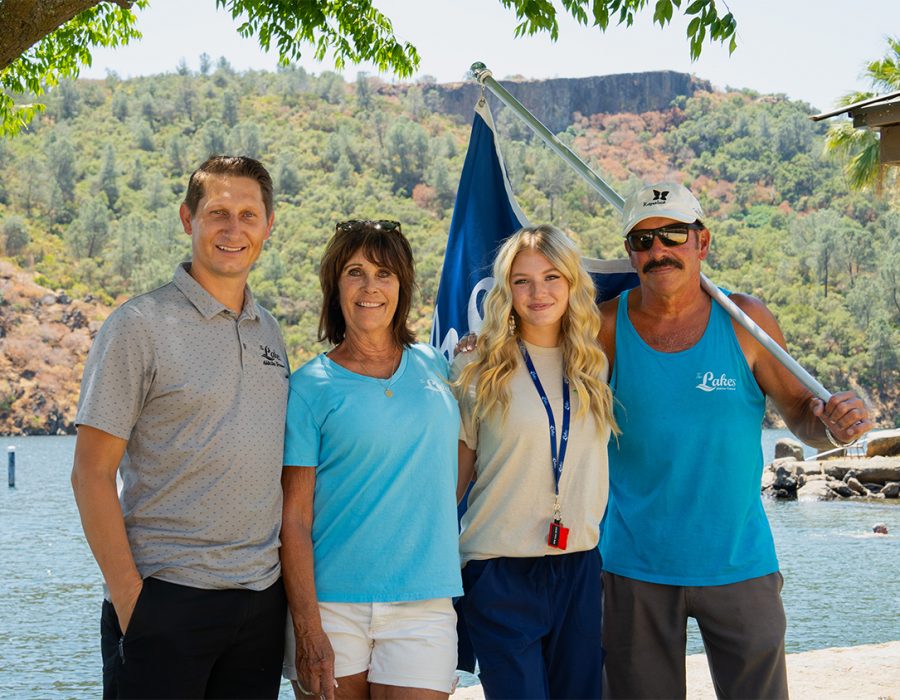

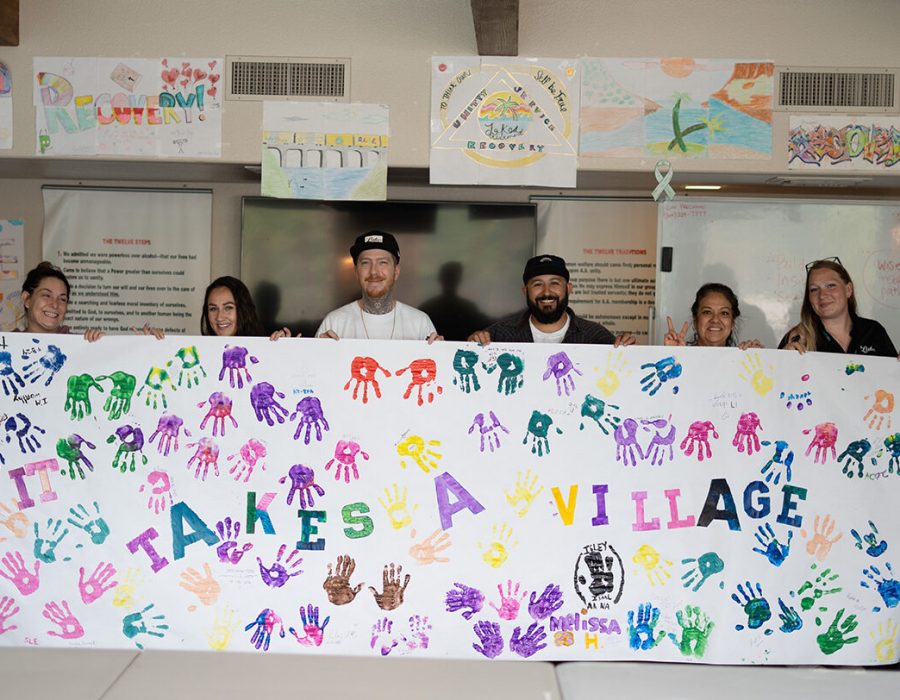


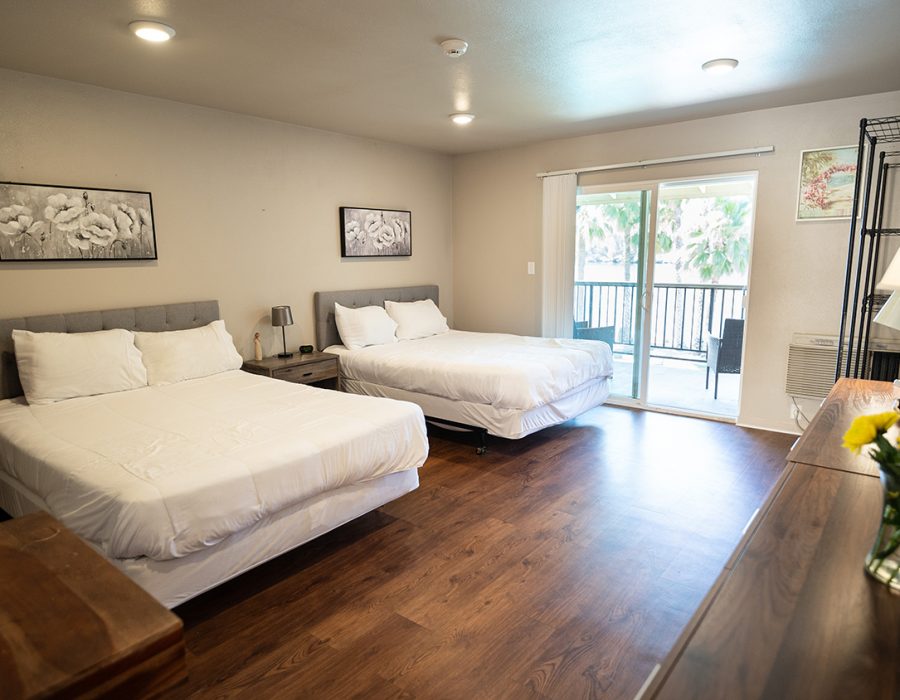
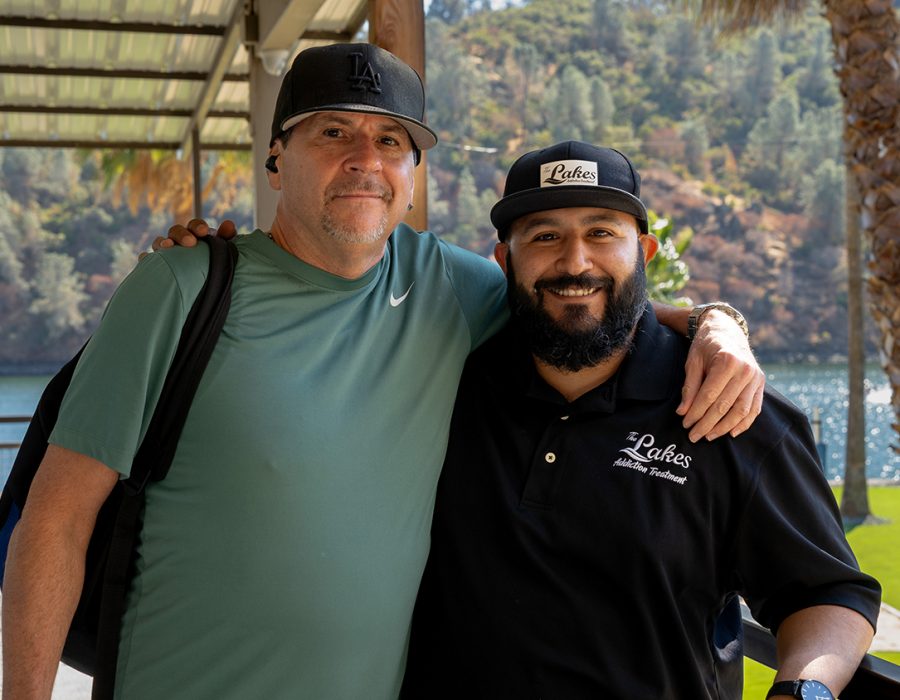
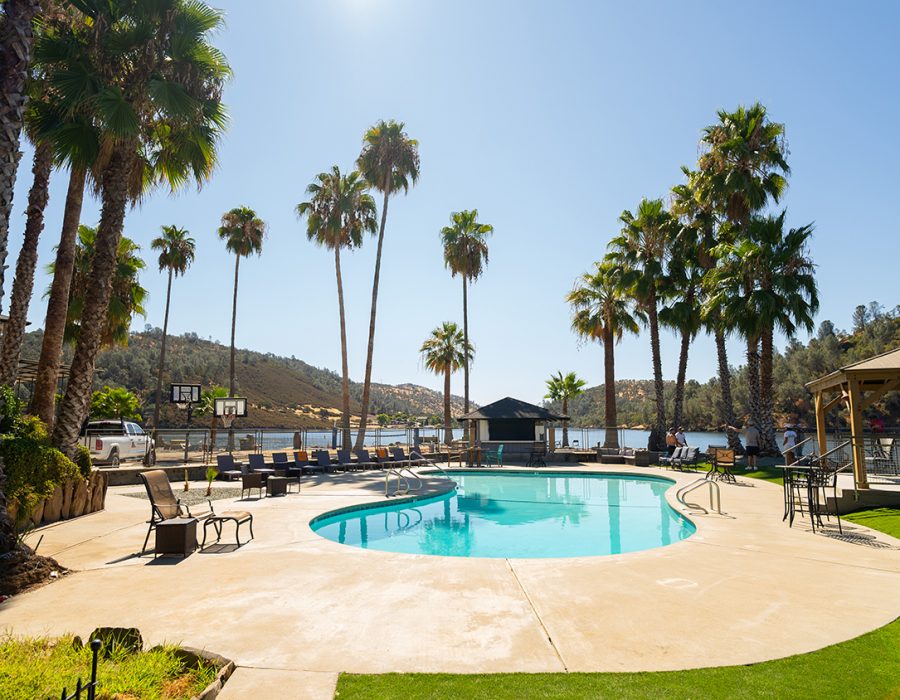

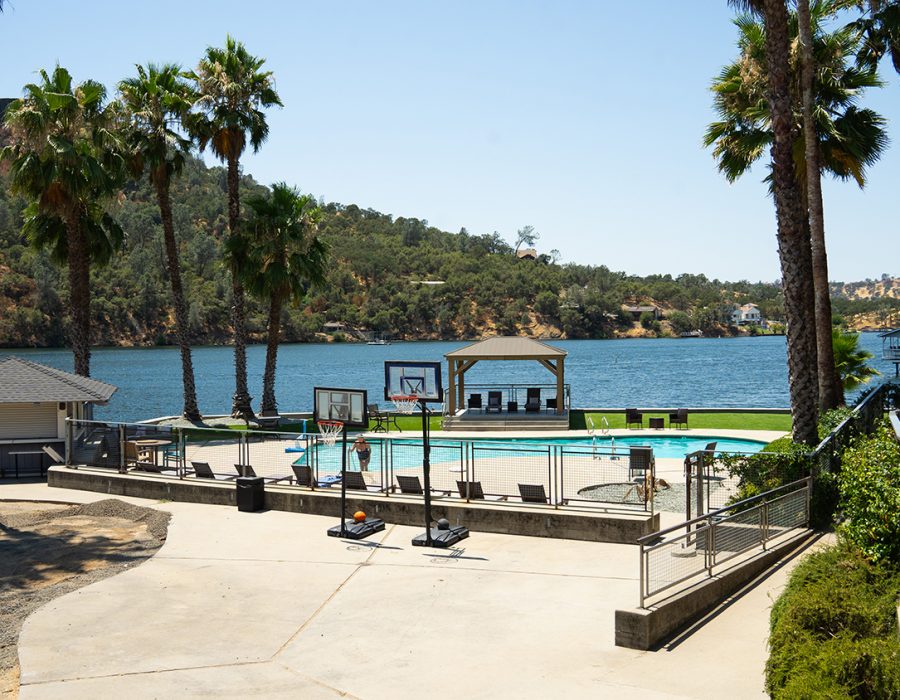
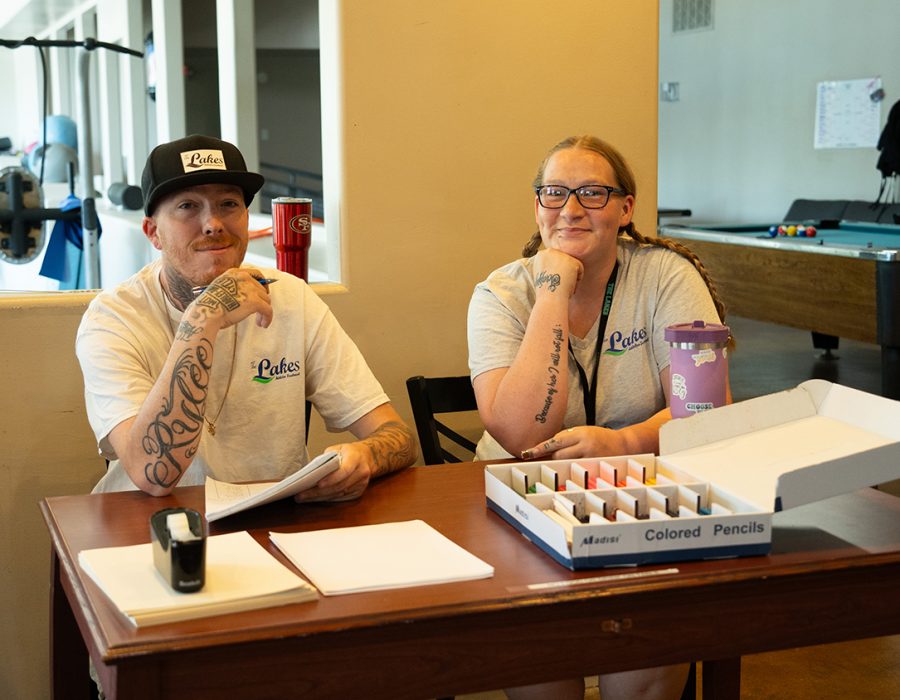


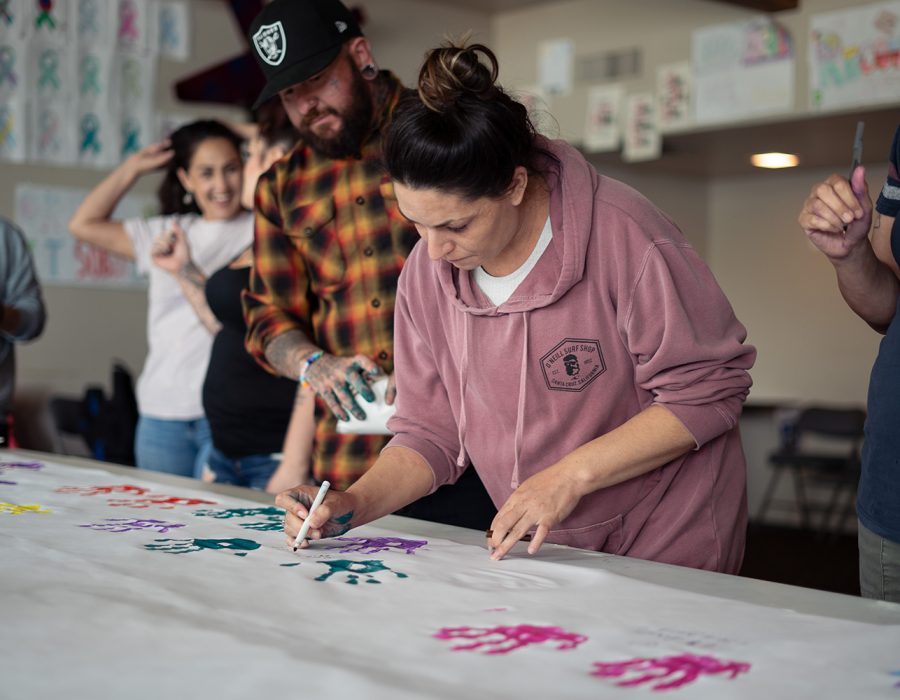

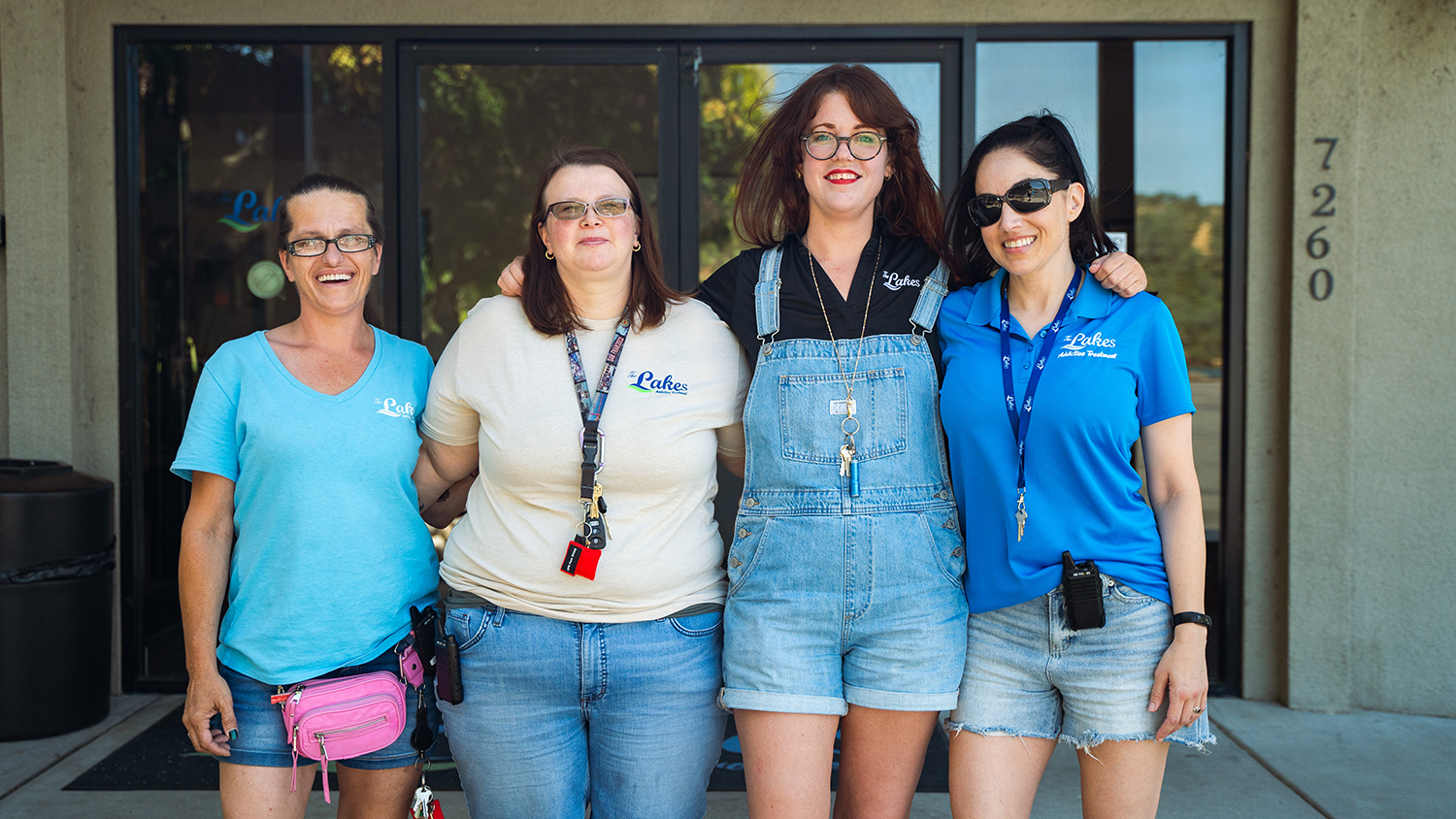
At The Lakes Treatment Center, we recognize that recovery is a journey. Our goal is to help you achieve lasting sobriety by providing the ongoing care and support you need. Our team has firsthand experience navigating the challenges of addiction, and we know that healing is possible.
Our Modesto-area residential drug and alcohol rehab program offers continuous support from a team of compassionate addiction treatment specialists in a warm, welcoming setting on beautiful Lake Tulloch. We are licensed by the California Department of Health Care Services (DHCS) to provide treatment for those struggling with all types of substance misuse, including alcohol abuse and drug addiction. Our licensing allows us to treat those who may have co-occurring disorders, such as depression, anxiety, PTSD, bipolar disorder, or other mental and behavioral health issues.
We were also the first Northern California facility to receive accreditation from The Joint Commission, one of the most esteemed and highly respected accreditation agencies in the nation. This accreditation allows our healthcare providers to work directly onsite so that residents do not have to make trips outside our facility to receive the professional treatment and care they need.
The Lakes Treatment Center provide around-the-clock medical supervision for individuals undergoing detoxification, ensuring continuous care and monitoring throughout the process.
The Lakes Treatment Center addresses all aspects of your health and wellbeing. Starting with your addiction, physical health, mental health, and spiritual health as a whole.
The Lakes Treatment Center utilizes a wide range of evidence-based therapies, including cognitive-behavioral, attachment and commitment, mindfulness-based, rational emotive, and much more...
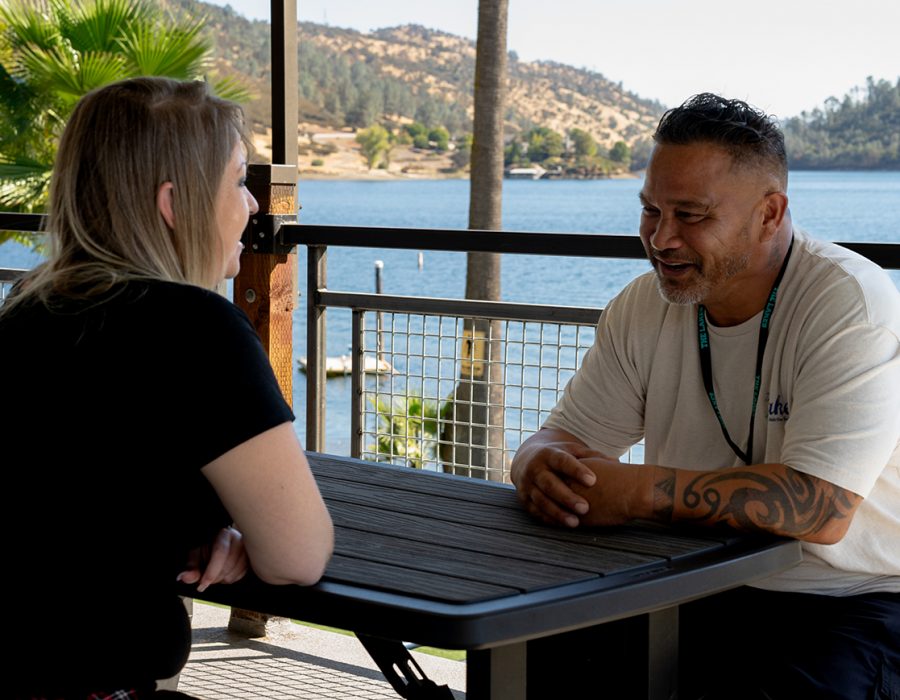
Residents will participate in both individual and group counseling and therapy with our clinical staff. Working individually with psychologists and psychiatrists and openly sharing and learning from others' experiences is proven to be highly effective in recovery.